
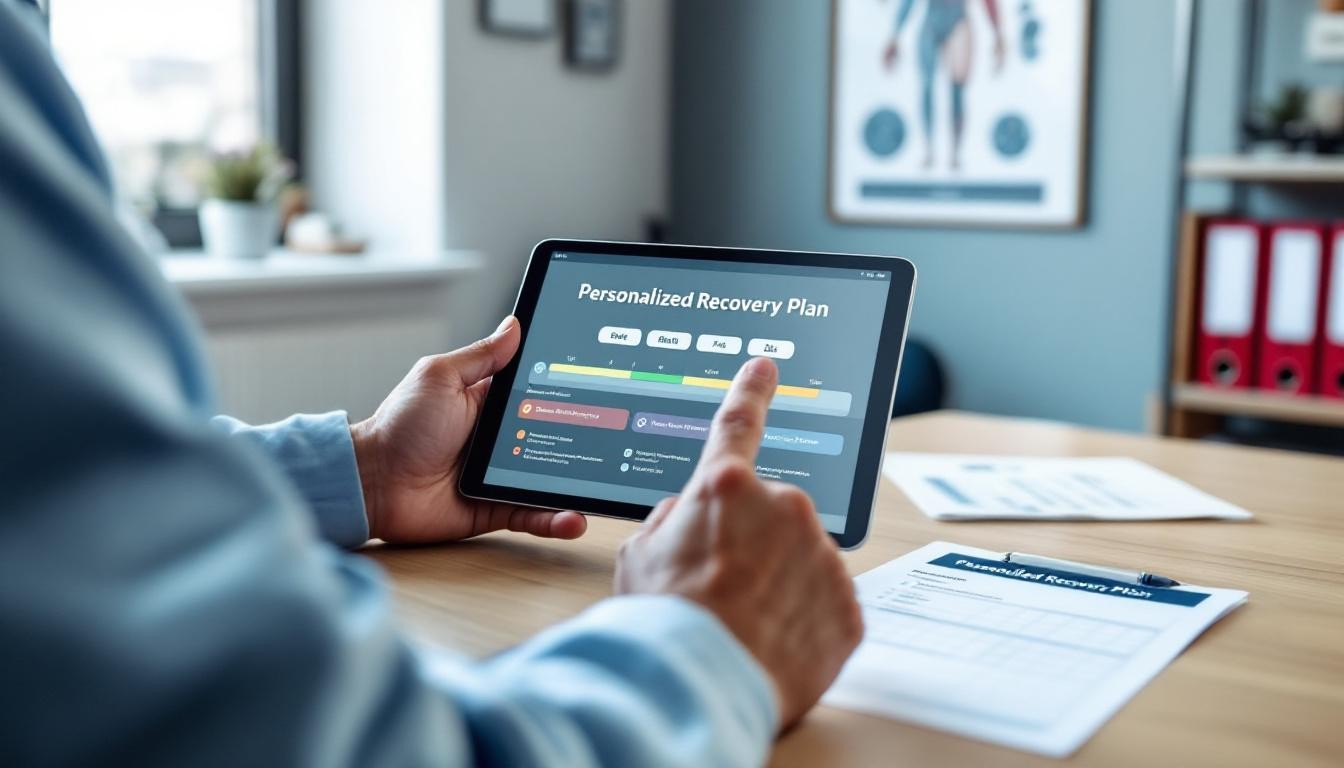
Choosing addiction treatment is not simply about deciding whether to get help. It is also about determining what kind of support will provide the best foundation for recovery. For some people, inpatient treatment offers the structure and stability needed to step away from substance use and focus fully on healing. For others, outpatient treatment provides meaningful professional support while allowing them to continue managing work, family, school, and other responsibilities. In many cases, the most effective approach is one that considers the person’s unique circumstances, mental health needs, substance use history, support system, and long term goals.
A personalized recovery plan recognizes that addiction affects people differently. Instead of placing everyone on the same path, individualized care considers what each person needs at a particular stage of recovery. When inpatient or outpatient treatment is combined with mental health care, holistic wellness, and other appropriate services, individuals can receive support that addresses more than substance use alone.
Why the Level of Addiction Treatment Matters
Alcohol and drug addiction can affect nearly every area of life. Substance use may interfere with physical health, emotional well being, relationships, employment, finances, and daily responsibilities. At the same time, concerns such as anxiety, depression, trauma, chronic stress, and unresolved emotional difficulties can make recovery more complicated.
Because of these factors, the amount of structure a person needs can vary considerably.
Recovery Needs Are Different for Everyone
One person may need an environment where recovery can receive their full attention. Another may have a stable home environment and enough support to participate in treatment while continuing everyday responsibilities.
Neither situation automatically makes one type of treatment better than the other.
The important question is which level of care is appropriate for the individual’s current needs and circumstances.
A personalized treatment plan may consider:
- The severity and pattern of substance use
- Previous treatment experiences
- Mental health concerns
- Physical health
- Family circumstances
- Home environment
- Recovery support network
- Work or school responsibilities
- Personal recovery goals
- Ability to manage triggers and cravings safely
This information can help treatment professionals determine whether inpatient care, outpatient care, or another level of support may be most appropriate.
What Is Inpatient Addiction Treatment?
Inpatient treatment provides a structured environment where individuals can focus closely on addiction recovery and related health needs. Instead of returning to the same routines and triggers every day, a person can spend dedicated time in a supportive treatment setting.
For individuals who need substantial structure, this can provide an important foundation.
Creating Space to Focus on Recovery
Daily life can contain countless distractions and pressures. Work obligations, relationship conflict, stressful environments, and exposure to substances can make early recovery particularly difficult.
Inpatient care can create greater separation from some of these challenges while allowing individuals to concentrate on treatment.
Depending on the person’s individualized plan, treatment may include addiction counseling, mental health services, recovery education, wellness activities, and other forms of professional support.
This focused environment can give individuals time to begin developing healthier coping strategies before applying them more independently.
Inpatient Care Can Support Early Stability
Early recovery can involve significant physical, emotional, and psychological challenges. Having consistent professional guidance can help individuals better understand their recovery needs and begin establishing healthier routines.
Inpatient treatment may be particularly valuable for people who have experienced repeated difficulties maintaining sobriety or who need a higher degree of structure and support.
However, the appropriate level of care should always be determined according to individual circumstances and professional assessment.
What Is Outpatient Addiction Treatment?
Outpatient treatment provides professional addiction and mental health support without requiring an individual to remain in a residential treatment setting.
This approach can allow people to continue participating in important areas of everyday life while receiving ongoing care.
Maintaining Daily Responsibilities
For some individuals, remaining connected to work, school, family, or other responsibilities is an important part of recovery.
Outpatient care can provide flexibility while still offering professional guidance.
Instead of stepping away from everyday life completely, individuals can work on recovery skills while encountering real world situations. They can then discuss challenges, triggers, and successes with treatment professionals and make adjustments as needed.
Applying Recovery Skills in Real Life
One advantage of outpatient treatment is that recovery skills are practiced within the person’s normal environment.
For example, someone may learn stress management techniques in therapy and then use those techniques when facing pressure at work. Another person may work on communication skills and then apply them during a difficult family conversation.
These experiences can help individuals identify which strategies are most useful in their everyday lives.
Inpatient and Outpatient Care Can Serve Different Stages of Recovery
Recovery is not always a single stage of treatment followed by complete independence. Needs can change over time.
Someone may need more intensive structure at the beginning and later transition into a less intensive form of care. Others may begin with outpatient treatment and discover that additional structure would provide greater support.
Treatment Plans Can Evolve
A personalized recovery plan should leave room for change.
As individuals develop coping skills, improve emotional stability, strengthen their support networks, and become more confident in recovery, their treatment needs may change.
This does not mean that one level of care is a failure and another is a success. It simply means that effective treatment responds to the person rather than forcing the person to fit a predetermined process.
Mental Health Treatment Belongs in the Recovery Plan
Addiction and mental health concerns frequently overlap. Anxiety, depression, trauma, chronic stress, and emotional distress can affect how someone responds to cravings and difficult situations.
For some individuals, alcohol or drugs may have become a way to temporarily cope with uncomfortable emotions.
Addressing Underlying Emotional Challenges
If emotional concerns remain unresolved, they can continue to create challenges during recovery.
Mental health treatment can help individuals:
- Identify emotional triggers
- Understand unhealthy patterns
- Develop healthier coping skills
- Manage stress
- Process difficult experiences
- Improve communication
- Establish healthy boundaries
- Strengthen emotional awareness
- Build relapse prevention strategies
The goal is not to eliminate every difficult emotion. Instead, treatment can help individuals develop healthier responses to those emotions.
Integrated Care Creates a More Complete Picture
When addiction and mental health are addressed together, treatment can account for more of the factors influencing recovery.
For example, someone who frequently experiences anxiety may need coping strategies specifically designed around stressful situations. Someone dealing with unresolved trauma may require a different therapeutic approach.
Personalized mental health support can therefore make an addiction recovery plan more relevant to the individual.
Holistic Wellness Can Strengthen Both Levels of Care
Recovery involves more than counseling and substance use education. Physical health, daily routines, relationships, meaningful activities, and emotional wellness can all contribute to a stronger recovery foundation.
Establish Healthy Daily Routines
Depending on individual needs, healthy routines may include:
- Consistent sleep
- Nutritious meals
- Regular physical activity
- Time outdoors
- Mindfulness or relaxation
- Medical and dental care
- Meaningful hobbies
- Supportive social connections
These practices do not replace professional addiction treatment. Instead, they can complement treatment and help create greater stability.
Healthy routines can also provide structure during periods when recovery feels uncertain.
Rebuilding Relationships
Addiction can damage trust and create distance between family members, partners, and friends.
Recovery provides an opportunity to repair those relationships, but rebuilding trust takes time.
Consistent behavior, honesty, accountability, patience, and healthy communication can gradually demonstrate change. At the same time, recovery may require setting boundaries around relationships or situations that could undermine progress.
Faith Based Support Can Be Part of Individualized Care
For individuals who value faith and spirituality, these beliefs can provide an additional source of hope, purpose, forgiveness, and encouragement.
Faith based support can complement professional addiction and mental health treatment when it aligns with the individual’s preferences.
Connecting Recovery With Personal Values
Spirituality may help individuals reflect on questions of identity, purpose, responsibility, service, and hope.
Some people may find strength through prayer. Others may value connection with a faith community, spiritual reflection, or opportunities to serve others.
The key is personalization. Faith based care should respect an individual’s beliefs and provide support that fits their understanding of recovery.
How to Determine Which Level of Care You Need
It can be difficult to know whether inpatient or outpatient treatment is right for you. The decision should not be based solely on convenience or assumptions about what addiction treatment is supposed to look like.
Consider Your Current Environment
Ask yourself whether your current living environment supports recovery.
Are there substances readily available? Are you surrounded by people who continue to use? Are there significant sources of stress or conflict at home?
If the environment makes it difficult to focus on recovery, a more structured setting may be worth discussing with a qualified treatment professional.
Consider Your Support System
A reliable support network can make a meaningful difference during recovery.
Think about whether you have people who will respect your recovery, encourage healthy choices, and help you seek professional support when needed.
If you feel isolated or lack a stable support system, additional treatment structure may be beneficial.
Consider Your Mental Health Needs
Mental health concerns should also be part of the decision.
If anxiety, depression, trauma, or severe emotional distress is interfering with your ability to function or maintain sobriety, discuss these concerns openly with treatment professionals.
A recovery plan should account for the whole person, not just the substance being used.
What a Personalized Recovery Plan Can Look Like
There is no universal treatment formula. However, a personalized plan may combine several forms of support.
For example, someone might begin with a structured inpatient program, receive mental health treatment, establish healthier routines, and gradually transition to outpatient care. Another individual may begin directly with outpatient treatment while continuing to work and participate in family life.
Build a Plan Around Your Goals
A useful recovery plan should answer more than, “How do I stop using?”
It should also consider:
- How do I want my mental health to improve?
- What relationships do I want to rebuild?
- What coping skills do I need?
- What triggers do I need to prepare for?
- What routines will support my well being?
- What kind of support do I need at home?
- What do I want my life to look like after treatment?
These questions can help turn treatment into a practical plan for long term change.
Recovery Is About Progress, Not Perfection
It is easy to think that successful recovery means never struggling again. In reality, recovery involves learning, adapting, and responding to challenges in healthier ways.
There may be difficult days. Cravings may appear. Stress may increase unexpectedly. Relationships may take time to heal.
What matters is having the skills and support needed to respond constructively.
Know When to Ask for More Support
If cravings are increasing, mental health symptoms are worsening, isolation is growing, or daily responsibilities are becoming harder to manage, it may be time to speak with a treatment professional.
Asking for help early can be an important part of protecting your recovery.
You do not have to wait until everything feels out of control.
Conclusion
The role of inpatient and outpatient care in addiction recovery is not about choosing the universally best option. It is about finding the level of support that fits the individual.
Inpatient treatment can provide structure, stability, and focused attention for people who need a more immersive recovery environment. Outpatient treatment can provide ongoing professional guidance while allowing individuals to maintain important responsibilities and practice recovery skills in everyday life.
Both approaches can become part of a personalized recovery plan that also addresses mental health, physical wellness, relationships, personal goals, and spirituality when appropriate.
If alcohol or drug addiction is affecting your life, you do not have to decide your entire recovery path by yourself. Professional assessment can help you understand your needs and identify a level of care that makes sense for your circumstances.
Recovery is not about forcing yourself into a standard program. It is about receiving the right support for where you are now and building toward where you want to be. With individualized care, professional guidance, and a commitment to healthy change, treatment can become the foundation for a more stable and meaningful future.