
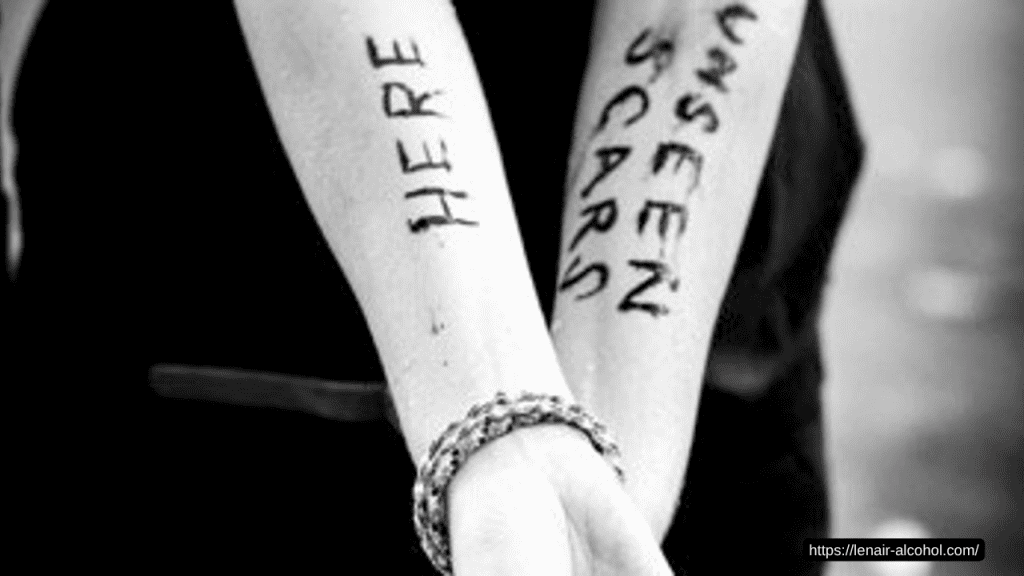
Substance abuse often has deeper roots than many realize. For countless individuals, addiction is not solely about the chemical dependence on alcohol or drugs—it is also closely tied to unresolved emotional pain. Trauma, loss, and other psychological scars can drive the desire to self-medicate, creating a cycle where emotional suffering and substance use reinforce one another. Therapy offers a structured, compassionate path to address these wounds, helping individuals break the cycle and reclaim control over their lives.
Understanding the Connection Between Trauma and Addiction
Trauma affects the brain, body, and emotional well-being. Experiences such as childhood neglect, abuse, or significant loss can alter how a person processes stress and regulates emotions. Many turn to substances as a way to manage anxiety, numb painful memories, or feel a temporary sense of relief.
While substances may provide short-term comfort, they do not heal the underlying pain. Over time, reliance on drugs or alcohol can worsen emotional struggles and reinforce the addictive cycle. Recognizing this connection is critical to developing effective treatment strategies.
How Therapy Supports Emotional Healing in Addiction Recovery
Therapy is central to breaking the link between emotional scars and substance use. By providing a safe and supportive environment, therapy allows individuals to explore past experiences, understand their triggers, and develop healthier coping strategies.
Individual Counseling
One-on-one therapy provides personalized attention, helping clients work through trauma and emotional pain at their own pace. Techniques such as Cognitive Behavioral Therapy (CBT) and mindfulness-based approaches are particularly effective in addressing patterns of thought and behavior that contribute to substance use.
Group Therapy
Sharing experiences in a group setting fosters connection and reduces isolation. Peer support allows clients to learn from others’ journeys, build accountability, and gain encouragement from a community of individuals who understand similar challenges.
Family Therapy
Addiction affects not just the individual but also their loved ones. Family therapy helps repair relationships, improve communication, and create a network of support, ensuring a stronger foundation for lasting recovery.
Integrating Holistic and Faith-Based Care
At La Trenza Counseling, therapy is combined with holistic and faith-based approaches to address the whole person. Mindfulness practices, wellness activities, spiritual guidance, and individualized care plans work together to support emotional, physical, and spiritual healing. This comprehensive approach strengthens resilience and promotes sustainable recovery.
Inpatient and Outpatient Care Options
Recovery is a personal journey, and different individuals benefit from different levels of care. Inpatient programs provide a structured, immersive environment for those needing intensive support, while outpatient programs offer flexibility to continue therapy while maintaining work, school, or family commitments. Both approaches ensure that therapy remains central to the recovery process.
Moving Forward: Breaking the Cycle of Addiction
Healing emotional scars is essential to ending the cycle of substance use. Therapy provides tools, insight, and support to help individuals process trauma, manage triggers, and rebuild self-worth. Recovery is not only about abstaining from substances but also about creating a life of balance, purpose, and resilience.
Conclusion
Substance abuse and emotional scars are deeply intertwined, but they do not have to define a person’s future. At La Trenza Counseling, compassionate, individualized, and holistic therapy helps clients break the cycle of addiction and reclaim their lives. If you or a loved one are struggling with substance use driven by emotional pain, reaching out today can be the first step toward healing, recovery, and renewed hope.