What to Expect from Therapy During Your Journey to Sobriety

Recovery from alcohol or drug addiction is one of the most life-changing journeys a person can take. It is not only about stopping substance use but also about healing the mind, body, and spirit. At Lenair Alcohol, we understand that lasting recovery requires more than detox. It takes compassion, guidance, and therapy that addresses the emotional roots of addiction. Whether you are entering treatment for the first time or continuing your journey, knowing what to expect from therapy can help you feel prepared and hopeful about the road ahead.

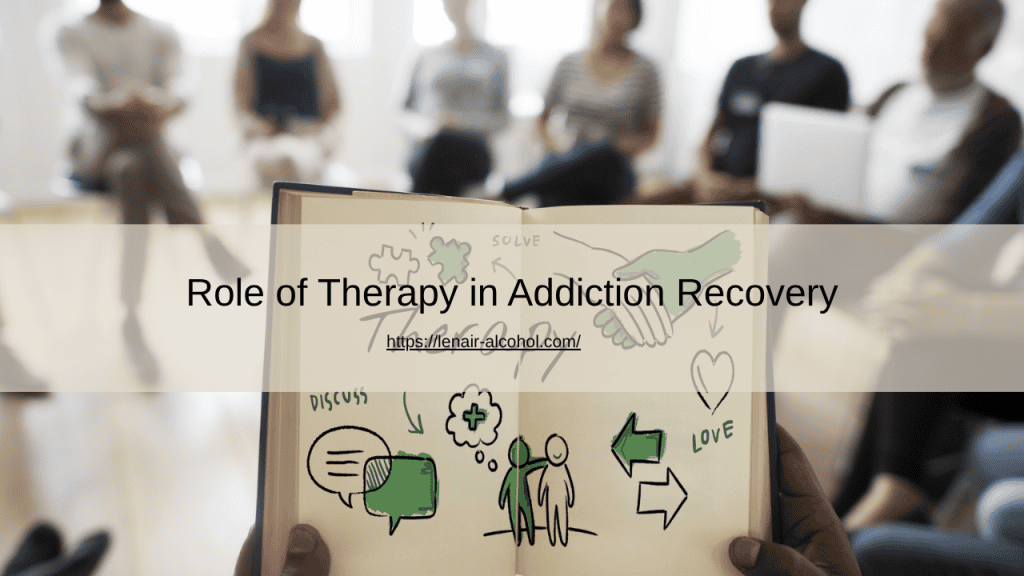
Understanding the Role of Therapy in Addiction Recovery

Therapy is a cornerstone of addiction treatment because it helps uncover and address the underlying causes of substance use. Many people turn to alcohol or drugs as a way to cope with pain, trauma, stress, or mental health challenges. Through therapy, individuals learn new ways to manage emotions, rebuild self-worth, and develop healthy coping strategies.

At Lenair Alcohol, therapy is more than conversation. It is a guided process that combines evidence-based techniques with holistic and faith-based healing to support every aspect of recovery. Each session is designed to meet clients where they are, creating a safe space for honesty, growth, and transformation.

What Happens in Individual Therapy

Individual therapy focuses on one-on-one sessions between the client and a licensed therapist. These sessions allow you to explore personal struggles, fears, and goals in a private and supportive setting.

Exploring Root Causes

Therapists help clients identify the emotional and psychological factors that contribute to addiction. Understanding these patterns is the first step in breaking them and learning how to move forward with confidence.

Developing New Coping Skills

Through techniques such as Cognitive Behavioral Therapy (CBT) or mindfulness-based approaches, clients learn to challenge negative thoughts and replace them with positive, empowering ones. This helps reduce cravings and prevents relapse by strengthening emotional resilience.

Building Self-Awareness and Confidence

Individual therapy encourages personal reflection and accountability. Over time, clients gain a deeper understanding of themselves, fostering self-compassion and renewed motivation to maintain sobriety.

The Power of Group Therapy

Group therapy is a powerful part of the recovery process. It connects individuals who share similar experiences and goals, creating a sense of community and understanding.

Shared Healing and Support

In a group setting, clients learn that they are not alone. Sharing experiences and hearing others’ stories builds trust and connection, which are essential for long-term recovery.

Learning from Others

Group therapy provides opportunities to practice communication, empathy, and problem-solving skills. By supporting others, clients strengthen their own recovery.

Integrating Holistic and Faith-Based Approaches

At Lenair Alcohol, therapy extends beyond traditional counseling. Our holistic and faith-based programs address the spiritual and physical aspects of recovery, promoting total well-being. Practices such as meditation, mindfulness, and spiritual counseling help individuals find peace, balance, and a deeper sense of purpose.

Inpatient and Outpatient Therapy Options

Whether you choose inpatient or outpatient therapy, both options are designed to meet your unique needs.

  • Inpatient therapy offers a structured, immersive environment where clients can focus fully on recovery without outside distractions.
  • Outpatient therapy provides flexibility, allowing individuals to continue working or caring for family while receiving professional support and guidance.

Our team helps you choose the right level of care based on your personal circumstances, recovery goals, and support system.

What You Can Expect Emotionally

Recovery is both challenging and rewarding. In the early stages, it is normal to feel vulnerable, uncertain, or even resistant. Over time, therapy helps you rebuild confidence, strengthen relationships, and rediscover joy in daily life. Every step forward, no matter how small, is a victory worth celebrating.

A Compassionate Path Forward

Therapy is not just about overcoming addiction; it is about rediscovering yourself and building a future filled with hope and purpose. At Lenair Alcohol, we believe in healing the whole person through individualized care, professional expertise, and unwavering compassion.

If you or a loved one is ready to begin the journey to sobriety, we are here to help. Reach out to Lenair Alcohol today to learn more about our inpatient and outpatient therapy programs. Together, we can help you find freedom, healing, and a renewed sense of peace.

Substance Abuse and Emotional Scars: The Role of Therapy in Breaking the Link

Substance abuse often has deeper roots than many realize. For countless individuals, addiction is not solely about the chemical dependence on alcohol or drugs—it is also closely tied to unresolved emotional pain. Trauma, loss, and other psychological scars can drive the desire to self-medicate, creating a cycle where emotional suffering and substance use reinforce one another. Therapy offers a structured, compassionate path to address these wounds, helping individuals break the cycle and reclaim control over their lives.

Understanding the Connection Between Trauma and Addiction

Trauma affects the brain, body, and emotional well-being. Experiences such as childhood neglect, abuse, or significant loss can alter how a person processes stress and regulates emotions. Many turn to substances as a way to manage anxiety, numb painful memories, or feel a temporary sense of relief.

While substances may provide short-term comfort, they do not heal the underlying pain. Over time, reliance on drugs or alcohol can worsen emotional struggles and reinforce the addictive cycle. Recognizing this connection is critical to developing effective treatment strategies.

How Therapy Supports Emotional Healing in Addiction Recovery

Therapy is central to breaking the link between emotional scars and substance use. By providing a safe and supportive environment, therapy allows individuals to explore past experiences, understand their triggers, and develop healthier coping strategies.

Individual Counseling

One-on-one therapy provides personalized attention, helping clients work through trauma and emotional pain at their own pace. Techniques such as Cognitive Behavioral Therapy (CBT) and mindfulness-based approaches are particularly effective in addressing patterns of thought and behavior that contribute to substance use.

Group Therapy

Sharing experiences in a group setting fosters connection and reduces isolation. Peer support allows clients to learn from others’ journeys, build accountability, and gain encouragement from a community of individuals who understand similar challenges.

Family Therapy

Addiction affects not just the individual but also their loved ones. Family therapy helps repair relationships, improve communication, and create a network of support, ensuring a stronger foundation for lasting recovery.

Integrating Holistic and Faith-Based Care

At La Trenza Counseling, therapy is combined with holistic and faith-based approaches to address the whole person. Mindfulness practices, wellness activities, spiritual guidance, and individualized care plans work together to support emotional, physical, and spiritual healing. This comprehensive approach strengthens resilience and promotes sustainable recovery.

Inpatient and Outpatient Care Options

Recovery is a personal journey, and different individuals benefit from different levels of care. Inpatient programs provide a structured, immersive environment for those needing intensive support, while outpatient programs offer flexibility to continue therapy while maintaining work, school, or family commitments. Both approaches ensure that therapy remains central to the recovery process.

Moving Forward: Breaking the Cycle of Addiction

Healing emotional scars is essential to ending the cycle of substance use. Therapy provides tools, insight, and support to help individuals process trauma, manage triggers, and rebuild self-worth. Recovery is not only about abstaining from substances but also about creating a life of balance, purpose, and resilience.

Conclusion

Substance abuse and emotional scars are deeply intertwined, but they do not have to define a person’s future. At La Trenza Counseling, compassionate, individualized, and holistic therapy helps clients break the cycle of addiction and reclaim their lives. If you or a loved one are struggling with substance use driven by emotional pain, reaching out today can be the first step toward healing, recovery, and renewed hope.

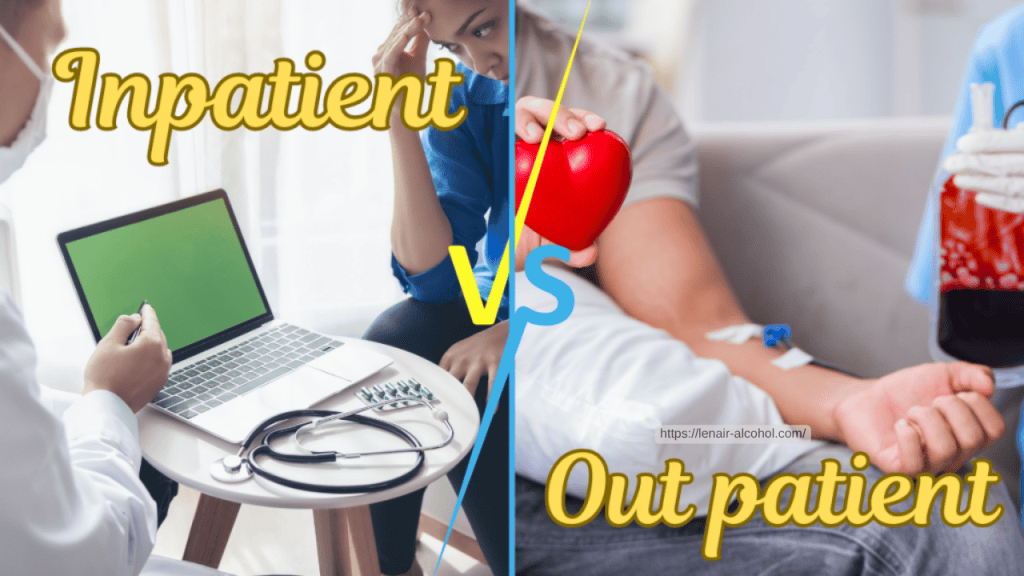
Inpatient vs. Outpatient Therapy: Choosing the Right Support for Your Recovery

Choosing the right type of therapy is a critical step in achieving lasting sobriety from alcohol or drug addiction. Recovery is a personal journey, and the level of support you select can make a significant difference in long-term success. At Lenair Alcohol, we understand that every individual’s path is unique. Our comprehensive programs combine addiction recovery services, mental health treatment, and holistic, faith-based approaches to create a personalized plan that meets your needs. Understanding the differences between inpatient and outpatient therapy can help you make an informed decision that supports both immediate recovery and long-term wellness.

Understanding Inpatient Therapy

Inpatient therapy, also known as residential treatment, involves living at a treatment facility for a designated period. This immersive environment allows individuals to focus entirely on recovery without the distractions or triggers of daily life.

Benefits of Inpatient Therapy

Inpatient therapy provides 24-hour access to professional care. Clients receive continuous support from medical staff, therapists, and counselors, ensuring safety during withdrawal and ongoing emotional support.

Therapy in an inpatient setting often includes individual counseling, group therapy, and family sessions. This structure allows clients to explore the underlying causes of addiction, develop healthier coping mechanisms, and build resilience for challenges in the real world.

Individuals with severe substance use disorders, co-occurring mental health conditions, or a history of relapse may benefit most from inpatient care. The structured environment supports detoxification, therapy participation, and the development of sustainable recovery habits.

Understanding Outpatient Therapy

Outpatient therapy allows individuals to receive structured treatment while continuing to live at home. This option provides flexibility for those with family, work, or school commitments, while still offering professional support and guidance.

Benefits of Outpatient Therapy

Outpatient programs include individual counseling, group sessions, and holistic therapies tailored to each client’s needs. By practicing the skills learned in therapy within their everyday environment, clients can strengthen their ability to manage triggers and maintain sobriety.

Outpatient therapy encourages independence while maintaining accountability. It is ideal for individuals with milder addictions or those who have already completed inpatient treatment and require continued support during reintegration into daily life.

Factors to Consider When Choosing the Right Program

Severity of Addiction

Individuals with significant substance use challenges or medical complications may require the intensive support of inpatient therapy.

Mental Health Needs

Clients with co-occurring disorders such as anxiety, depression, or trauma benefit from inpatient care, which provides continuous access to mental health professionals.

Support System

A strong, sober support network at home can make outpatient therapy a successful option. Conversely, a triggering or unsupportive environment may indicate that inpatient care is the safer choice.

Lifestyle and Responsibilities

Outpatient therapy offers the flexibility to maintain employment or family obligations, whereas inpatient therapy provides a focused, immersive treatment experience.

Holistic and Faith-Based Care

At Lenair Alcohol, both inpatient and outpatient programs integrate holistic and faith-based approaches to address the mind, body, and spirit. This combination of evidence-based therapy, spiritual support, and individualized care helps clients achieve balanced, long-term recovery.

Taking the Next Step

Selecting the right level of therapy can have a profound impact on your recovery journey. At Lenair Alcohol, our compassionate team evaluates your needs and develops a personalized plan to support your path to sobriety. Whether inpatient or outpatient therapy is the best fit, our goal is to provide the care, guidance, and tools you need to rebuild your life and maintain lasting recovery.

Healing the Mind: The Impact of Therapy on Long-Term Addiction Recovery

Recovery from alcohol or drug addiction is more than a physical process. While detox removes substances from the body, true healing requires addressing the mental and emotional wounds that often fuel addictive behaviors. At Lenair Alcohol, therapy is at the heart of this journey. Through compassionate, evidence-based counseling, individuals learn to rebuild their inner strength, manage emotional pain, and create a foundation for lasting sobriety. Healing the mind is the key to healing the whole person.

The Connection Between Addiction and Mental Health

Addiction is rarely just about substance use. For many, it begins as an attempt to cope with stress, trauma, or untreated mental health conditions like anxiety or depression. Over time, what starts as temporary relief turns into dependency, deepening emotional pain and creating a cycle that feels impossible to escape.

Therapy helps individuals understand this connection. By identifying the thoughts, emotions, and experiences that drive substance use, people can begin to break the cycle of self-medication. At Lenair Alcohol, treatment focuses on both the physical and psychological sides of addiction, ensuring that clients receive the comprehensive care they need to achieve true recovery.

How Therapy Supports Long-Term Healing

Understanding the Root Causes

One of the most powerful aspects of therapy is its ability to uncover the root causes of addiction. Instead of focusing only on the symptoms, therapists work with clients to explore deeper issues like unresolved trauma, grief, or unhealthy coping patterns. Through guided reflection, clients learn to replace harmful habits with healthier, more constructive ways of managing life’s challenges.

Developing Emotional Resilience

Long-term recovery requires emotional strength. Therapy helps build resilience by teaching essential skills such as stress management, emotional regulation, and mindfulness. When individuals learn to face challenges head-on rather than avoid them, they become better equipped to maintain sobriety even in difficult times.

Rebuilding Relationships and Trust

Addiction often strains relationships with loved ones, leaving behind feelings of guilt, shame, and mistrust. Family and group therapy can play a vital role in repairing these bonds. By improving communication and setting healthy boundaries, individuals can rebuild their support networks, which are essential for long-term success.

Therapy Across Inpatient and Outpatient Care

At Lenair Alcohol, therapy is a cornerstone of both inpatient and outpatient treatment programs.

  • Inpatient therapy provides a structured environment where clients can focus fully on recovery, free from outside distractions.
  • Outpatient therapy allows individuals to continue receiving professional guidance while balancing work, family, or school commitments.

Both levels of care are tailored to meet each person’s unique needs, ensuring that therapy continues to support growth and stability long after the initial stages of recovery.

A Holistic and Faith-Based Approach to Healing

True recovery involves more than just abstaining from substances. It requires nurturing the whole person. Lenair Alcohol integrates holistic and faith-based approaches into therapy, combining spiritual renewal with evidence-based mental health care. This balance helps clients reconnect with their inner purpose, find peace, and restore hope.

The Path Forward

Healing the mind is a lifelong process, but it is also one filled with hope. Therapy offers the tools, insight, and emotional grounding needed to maintain lasting sobriety. By addressing mental health and emotional well-being alongside addiction treatment, individuals can create a balanced and fulfilling life in recovery.

If you or someone you love is struggling with addiction, know that healing is possible. Contact Lenair Alcohol today to learn how our personalized therapy and recovery programs can guide you toward strength, clarity, and lasting peace.

Mental Health and Addiction: How Therapy Bridges the Gap to Recovery

Addiction and mental health are deeply connected. For many people, struggles with depression, anxiety, trauma, or other conditions fuel the cycle of alcohol and drug use. At the same time, substance abuse can worsen mental health challenges, creating a difficult loop to break. Therapy offers a way forward by addressing both sides of the struggle. At Lenair Alcohol, we believe that recovery is about more than stopping substance use. It is about healing the mind, body, and spirit together so lasting change becomes possible.

The Link Between Mental Health and Addiction

Research shows that co-occurring disorders, also called dual diagnoses, are very common. Someone may drink or use drugs to ease feelings of sadness, stress, or fear, but over time the substances only make those problems worse. Without treating both mental health and addiction at the same time, recovery can feel incomplete. This is why therapy is so essential.

How Therapy Supports Recovery

Understanding the Root Causes

Therapy provides a safe space to uncover the underlying reasons behind addiction. For some, this may mean working through unresolved trauma. For others, it may involve managing anxiety or learning how to cope with depression. By addressing the root issues, therapy helps break the cycle of self-medication with substances.

Building Healthier Coping Strategies

Recovery is not only about avoiding drugs or alcohol. It is also about learning new ways to handle life’s challenges. Therapy teaches practical tools such as stress management, mindfulness, and emotional regulation. These skills reduce the risk of relapse and give individuals confidence in their ability to navigate difficult moments without turning to substances.

Strengthening Relationships

Addiction often damages family and social connections. Therapy helps rebuild trust and encourages open communication. Family counseling, in particular, can be a powerful way to heal relationships and create a supportive environment that makes sobriety easier to maintain.

Therapy in Inpatient and Outpatient Care

At Lenair Alcohol, therapy is at the core of both inpatient and outpatient programs.

  • Inpatient care offers intensive therapeutic support in a structured setting, ideal for those who need 24-hour guidance and a safe space to begin recovery.
  • Outpatient care provides continued access to therapy while allowing individuals to transition back into daily life, balancing independence with ongoing support.

This combination ensures that clients receive the right level of care at each stage of recovery.

A Holistic and Faith-Based Approach

Therapy is most effective when it considers the whole person. At Lenair Alcohol, we combine evidence-based counseling with holistic and faith-based care. This approach honors each person’s unique journey, addressing spiritual, emotional, and physical needs together. The result is a more balanced and meaningful recovery.

Taking the First Step

Recovery from addiction is not just about removing substances from your life. It is about healing the mind and reclaiming hope for the future. Therapy bridges the gap between mental health and addiction treatment, giving individuals the tools they need to build a stronger, healthier life.

If you or someone you love is struggling, help is available. Reach out to Lenair Alcohol today to learn how our counseling and recovery programs can guide you toward lasting healing and sobriety.

The Essential Role of Counseling in Sustaining Sobriety

Sobriety is not just about putting down the bottle or stepping away from drugs. True recovery means building a new way of life that is sustainable, fulfilling, and grounded in healing. One of the most powerful tools in making this possible is counseling. At Lenair Alcohol, we recognize that counseling is not an optional piece of treatment but the foundation that helps people maintain long-term recovery. It provides the guidance, support, and coping skills needed to move beyond addiction and embrace a healthier future.

Why Counseling Matters in Recovery

Addiction is rarely only about substances. It often grows out of deeper struggles such as trauma, stress, or mental health challenges. Counseling gives people a safe and structured environment to uncover these root causes and to begin working through them. Without addressing the underlying issues, sobriety can feel fragile, and relapse becomes a greater risk.

At Lenair Alcohol, counseling is woven into every stage of care. Whether a person is beginning in inpatient treatment or continuing their recovery in outpatient care, therapy ensures that they are not navigating this journey alone.

Addressing the Whole Person

Healing Emotional Wounds

Many individuals turn to substances as a way to cope with emotional pain. Counseling helps identify these struggles and provides healthier ways to process emotions. By confronting past wounds in a supportive environment, clients begin to release the hold those experiences once had on their lives.

Supporting Mental Health

Depression, anxiety, and other mental health conditions often occur alongside addiction. Counseling allows individuals to develop practical strategies for managing these challenges, making sobriety more stable and sustainable.

Building Tools for Lifelong Sobriety

Developing Healthy Coping Skills

Recovery requires more than abstinence. It requires learning how to handle stress, cravings, and triggers without falling back into old patterns. Counseling equips individuals with coping strategies such as mindfulness, problem-solving, and relapse prevention techniques that strengthen their resilience.

Restoring Relationships

Addiction often damages trust between family and friends. Counseling provides opportunities for clients to rebuild those relationships through improved communication and understanding. Family therapy can be especially powerful in creating a supportive home environment that reinforces long-term sobriety.

The Role of Counseling in Different Levels of Care

  • Inpatient counseling offers intensive support at the earliest and often most vulnerable stage of recovery. Clients receive structured daily therapy sessions to begin their healing.
  • Outpatient counseling extends that support as clients transition back into daily routines, ensuring ongoing accountability and guidance.

By offering counseling across all levels of care, Lenair Alcohol helps clients carry the tools they need from treatment into everyday life.

A Foundation for Hope and Healing

At its core, counseling is about transformation. It does not simply help people stop drinking or using drugs. It empowers them to rebuild their lives with confidence, purpose, and peace. Counseling is what turns the hope of sobriety into the reality of lasting recovery.

Take the Next Step

If you or someone you love is ready to break free from addiction, remember that you do not have to walk this path alone. At Lenair Alcohol, our compassionate counselors and holistic programs are here to guide you toward lasting healing. Reach out today and discover how counseling can become the foundation of your recovery and the key to sustaining a sober, fulfilling life.

Why Therapy Is the Heart of Effective Addiction Recovery

Recovery from addiction is more than simply breaking free from drugs or alcohol. It is a profound journey of healing that addresses the mind, body, and spirit. At Lenair Alcohol, we know that therapy is at the very center of this process. While medical detox may stabilize the body, therapy provides the tools and guidance that lead to long-term healing, healthier choices, and a renewed sense of purpose.

The Role of Therapy in Addiction Recovery

Therapy is not just about talking through struggles. It is an evidence-based process that helps individuals understand the deeper reasons behind their addiction. For many, substance use has roots in trauma, stress, or untreated mental health conditions. Therapy creates a safe space to explore these challenges, identify destructive patterns, and develop new ways to cope.

At Lenair Alcohol, therapy is tailored to each individual. By integrating holistic, faith-based, and clinical approaches, we ensure that treatment speaks to the whole person, not just the symptoms of addiction.

Addressing the Root Causes of Addiction

Uncovering Emotional Wounds

Addiction is often linked to unresolved pain or emotional wounds. Therapy allows clients to confront these issues with professional support. By processing trauma or grief in a healthy way, the need to escape through substances begins to fade.

Managing Co-Occurring Disorders

Many people in recovery also face depression, anxiety, or other mental health conditions. Without addressing these, relapse becomes more likely. Therapy provides effective strategies for managing mental health symptoms while building a foundation for lasting sobriety.

Building Skills for Long-Term Sobriety

Developing Coping Strategies

Life’s challenges do not disappear after treatment. Therapy equips individuals with practical tools to handle stress, cravings, and setbacks without turning to alcohol or drugs. Skills such as mindfulness, problem-solving, and emotional regulation become essential allies in recovery.

Strengthening Relationships

Addiction can strain even the strongest bonds with family and friends. Through family therapy and counseling, clients learn to rebuild trust, communicate effectively, and restore relationships. A supportive home environment plays a critical role in maintaining sobriety.

Therapy Across All Levels of Care

Therapy is a consistent part of both inpatient and outpatient programs at Lenair Alcohol.

  • Inpatient therapy offers intensive, daily support when individuals are most vulnerable and need a structured environment to begin healing.
  • Outpatient therapy continues that growth as clients transition back to daily life, ensuring they have ongoing support and accountability.

This continuity of care makes therapy the bridge between short-term treatment and long-term success.

Why Therapy Is the Heart of Recovery

At its core, therapy empowers individuals to truly transform their lives. It does more than treat addiction. It restores hope, builds resilience, and guides people toward a healthier, purpose-driven future. Without therapy, recovery remains incomplete. With therapy, lasting change becomes possible.

Take the Next Step

If you or someone you love is struggling with addiction, know that there is hope and healing available. At Lenair Alcohol, our compassionate team is ready to provide the individualized therapy and holistic care needed for long-term recovery. Reach out today and discover why therapy is the heart of effective addiction recovery and the key to building a brighter tomorrow.

Therapy Techniques That Make a Difference in Alcohol and Drug Rehab

Addiction recovery is not just about removing substances from the body. True healing happens when individuals learn new ways to cope, process emotions, and rebuild their lives with clarity and strength. At Lenair Alcohol, we understand that therapy is at the heart of lasting recovery. By integrating evidence-based techniques with holistic, faith-based, and individualized care, therapy becomes a powerful tool that helps clients move beyond survival and step into long-term sobriety.

Why Therapy Matters in Addiction Recovery

Detox is the first step, but it does not resolve the deeper challenges that fuel substance use. Many people turn to alcohol or drugs to manage stress, trauma, or mental health struggles. Therapy addresses these root causes while teaching healthier ways to respond to life’s challenges. In both inpatient and outpatient settings, therapeutic approaches provide the structure, support, and guidance needed to create meaningful change.

Evidence-Based Therapy Techniques in Rehab

Cognitive Behavioral Therapy (CBT)

CBT is one of the most widely used methods in addiction treatment. It helps clients recognize negative thought patterns and replace them with healthier perspectives. By changing the way individuals think, they can change how they respond to cravings, stress, and daily challenges. This technique empowers people to break cycles of destructive behavior and develop lasting strategies for staying sober.

Motivational Interviewing (MI)

Many individuals entering rehab feel uncertain about recovery. Motivational interviewing helps clients explore their personal reasons for change. Instead of forcing decisions, MI uses supportive dialogue to encourage self-motivation. This approach strengthens commitment and fosters a sense of ownership in the recovery journey.

Group Therapy

Addiction often thrives in isolation, but healing grows in connection. Group therapy creates a safe space where clients can share their struggles, listen to others, and realize they are not alone. It builds accountability, provides encouragement, and reduces the shame that can keep people trapped in addiction.

Family Therapy

Recovery does not happen in isolation. Family therapy addresses the impact of addiction on loved ones and helps repair broken trust. By improving communication and rebuilding support systems, this form of therapy strengthens relationships and creates a healthier environment for long-term recovery.

Holistic and Faith-Based Approaches

At Lenair Alcohol, we believe in treating the whole person, not just the addiction. Alongside evidence-based therapies, we integrate holistic practices such as mindfulness, meditation, and spiritual counseling. These approaches help clients reconnect with their inner strength, reduce stress, and find deeper meaning in their recovery journey. Faith-based support is available for those who wish to anchor their healing in spiritual guidance, offering hope and encouragement rooted in belief.

Therapy Across Levels of Care

Therapy plays an important role in both inpatient and outpatient programs. Inpatient treatment allows for intensive therapeutic support in a structured setting, while outpatient care provides ongoing guidance as clients transition back into daily life. Both paths ensure individuals receive the tools they need to manage triggers, maintain progress, and continue growing in recovery.

Conclusion: Finding Healing Through Therapy

Recovery is more than overcoming physical dependence. It is about creating new patterns of thinking, developing healthy coping skills, and building a life filled with purpose. Therapy is the key to making this transformation possible.

At Lenair Alcohol, we are committed to offering compassionate, individualized care that meets each person where they are. If you or a loved one is ready to explore the therapy techniques that truly make a difference, reach out to our team today. Lasting healing begins with the right support, and the first step is within your reach.

Beyond Detox: How Therapy Transforms Lives in Addiction Treatment

Detox is often the first step in breaking free from addiction, but it is not enough to ensure lasting recovery. While detox addresses the physical dependence on drugs or alcohol, it does not heal the emotional wounds or psychological patterns that often drive addiction. This is where therapy becomes essential. At Lenair Alcohol, we believe recovery is not just about removing substances from the body but also about renewing the mind, spirit, and sense of self. Therapy plays a transformative role in helping individuals build the foundation for long-term sobriety and a healthier, more fulfilling life.

Why Detox Alone Is Not Enough

Detox is necessary to stabilize the body and clear substances from the system, but it cannot address the root causes of addiction. Without therapy, many individuals face the same triggers, unresolved trauma, or mental health struggles that contributed to substance use in the first place. This makes relapse far more likely. Therapy bridges this gap by offering tools, strategies, and healing that go beyond physical recovery.

At Lenair Alcohol, we integrate therapy into every stage of addiction treatment. Whether through inpatient or outpatient care, clients receive personalized support that focuses on healing the whole person—mind, body, and spirit.

The Transformative Role of Therapy

Addressing Underlying Causes of Addiction

Addiction is often linked to mental health challenges such as anxiety, depression, or trauma. Therapy provides a safe space to uncover and work through these issues. By identifying the patterns and emotions behind substance use, clients gain insight into their struggles and begin the process of true healing.

Building Healthy Coping Mechanisms

Life in recovery comes with challenges, but therapy equips individuals with the skills to face them without turning back to substances. Clients learn practical tools such as stress management, mindfulness, and emotional regulation. These strategies create resilience, making it possible to navigate setbacks and stay committed to sobriety.

Supporting Personal and Spiritual Growth

At Lenair Alcohol, we understand that recovery is deeply personal. That is why we offer holistic and faith-based approaches that honor each client’s unique values and beliefs. Therapy not only helps clients heal emotionally but also empowers them to reconnect with their purpose and identity. This sense of meaning plays a vital role in sustaining long-term recovery.

Therapy Across Levels of Care

Inpatient Programs

Inpatient treatment provides a structured environment where therapy is integrated into daily life. Clients benefit from consistent support, intensive counseling, and a safe space to focus fully on their healing journey.

Outpatient Programs

For those transitioning back into daily life, outpatient therapy provides continued support and accountability. This flexibility allows clients to apply what they have learned in treatment while still receiving the therapeutic guidance they need.

Lasting Recovery Begins with Therapy

Detox may be the first step in addiction recovery, but it is therapy that truly transforms lives. By addressing the root causes of addiction, teaching new coping skills, and fostering personal growth, therapy empowers individuals to create lasting change.

At Lenair Alcohol, we are committed to walking alongside you with compassion, professionalism, and individualized care. If you or a loved one is ready to move beyond detox and into a life of healing and freedom, reach out to our team today. Lasting recovery is possible, and therapy is the key to unlocking it.

Breaking the Cycle: The Role of Counseling in Long-Term Sobriety

Addiction recovery is a journey that requires more than just stopping substance use. It demands healing on many levels—physical, emotional, and mental. At Lenair Alcohol, we understand that breaking free from addiction is not a one-time event but a lifelong commitment. Counseling plays a vital role in this process by providing individuals with the tools, support, and insight they need to maintain long-term sobriety and rebuild their lives.

Why Counseling Is Essential in Addiction Recovery

Counseling is much more than talking about feelings. It is a structured, compassionate approach to addressing the root causes of addiction, managing triggers, and developing healthy coping skills. At Lenair Alcohol, our counseling services are designed to support mental health and addiction recovery through personalized care that respects each individual’s unique journey.

When someone struggles with alcohol or drug dependency, their brain chemistry, behavior, and emotional well-being are deeply affected. Detoxification and medical treatment address physical dependence, but counseling targets the psychological and emotional layers of addiction. This is where lasting change happens.

How Counseling Supports Long-Term Sobriety

Understanding Root Causes and Triggers

Counseling helps individuals explore the underlying issues that contribute to addiction. These can include trauma, anxiety, depression, or unresolved emotional pain. Identifying these root causes is the first step toward healing because it allows clients to understand why they turned to substances in the first place.

Additionally, counseling teaches clients to recognize triggers—people, places, or emotions that can lead to relapse. Through this awareness, individuals learn to manage cravings and avoid situations that might jeopardize their sobriety.

Building Healthy Coping Strategies

One of the greatest challenges in recovery is learning how to handle stress, anxiety, and negative emotions without turning to substances. Counseling provides practical tools and techniques for emotional regulation. Clients learn mindfulness, stress reduction, communication skills, and problem-solving strategies that empower them to face life’s challenges with confidence and resilience.

Personalized and Holistic Approach

At Lenair Alcohol, we believe in individualized care. Every person’s addiction story is different, so our counseling programs are tailored to fit their specific needs. Our holistic, faith-based approach integrates mental health treatment with spiritual support and physical well-being, ensuring a comprehensive recovery experience. This balance helps clients rebuild their lives fully and sustainably.

Inpatient and Outpatient Counseling Options

Whether you are in inpatient care or continuing your journey through outpatient programs, counseling remains a cornerstone of treatment. Inpatient counseling offers intensive, round-the-clock support during the early stages of recovery. Outpatient counseling helps maintain progress while clients reintegrate into their daily lives. Both settings provide continuity of care, which is crucial for preventing relapse and encouraging growth.

Why Choose Lenair Alcohol for Counseling?

Lenair Alcohol combines professional expertise with genuine compassion. Our counselors are experienced in addiction recovery and mental health treatment, ensuring clients receive the highest quality care. We understand the complexities of addiction and work closely with each individual to develop effective treatment plans that honor their values and goals.

Our holistic model integrates evidence-based therapies with faith-based principles, creating a nurturing environment where healing can thrive. We prioritize building strong therapeutic relationships to foster trust, openness, and lasting change.

Take the Next Step Toward Lasting Sobriety

Breaking the cycle of addiction is challenging, but you do not have to do it alone. Counseling is a powerful tool that can help you understand yourself better, develop healthier habits, and sustain your sobriety for life. At Lenair Alcohol, we are committed to walking beside you every step of the way.

If you or a loved one is struggling with alcohol or drug addiction, reach out today. Our compassionate team is ready to provide the support and guidance you need to begin your journey toward healing and long-term sobriety.