
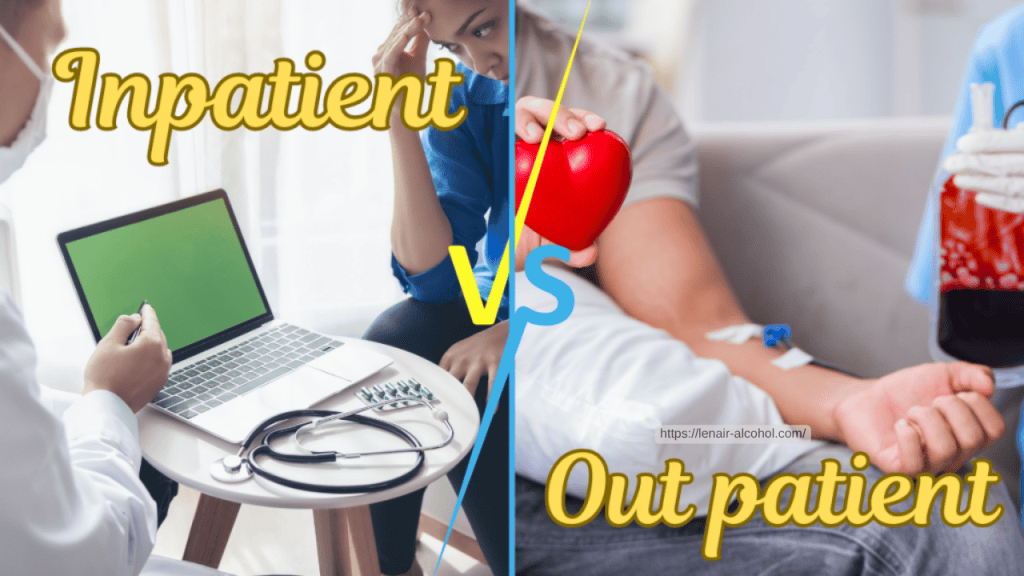
Choosing the right type of therapy is a critical step in achieving lasting sobriety from alcohol or drug addiction. Recovery is a personal journey, and the level of support you select can make a significant difference in long-term success. At Lenair Alcohol, we understand that every individual’s path is unique. Our comprehensive programs combine addiction recovery services, mental health treatment, and holistic, faith-based approaches to create a personalized plan that meets your needs. Understanding the differences between inpatient and outpatient therapy can help you make an informed decision that supports both immediate recovery and long-term wellness.
Understanding Inpatient Therapy
Inpatient therapy, also known as residential treatment, involves living at a treatment facility for a designated period. This immersive environment allows individuals to focus entirely on recovery without the distractions or triggers of daily life.
Benefits of Inpatient Therapy
Inpatient therapy provides 24-hour access to professional care. Clients receive continuous support from medical staff, therapists, and counselors, ensuring safety during withdrawal and ongoing emotional support.
Therapy in an inpatient setting often includes individual counseling, group therapy, and family sessions. This structure allows clients to explore the underlying causes of addiction, develop healthier coping mechanisms, and build resilience for challenges in the real world.
Individuals with severe substance use disorders, co-occurring mental health conditions, or a history of relapse may benefit most from inpatient care. The structured environment supports detoxification, therapy participation, and the development of sustainable recovery habits.
Understanding Outpatient Therapy
Outpatient therapy allows individuals to receive structured treatment while continuing to live at home. This option provides flexibility for those with family, work, or school commitments, while still offering professional support and guidance.
Benefits of Outpatient Therapy
Outpatient programs include individual counseling, group sessions, and holistic therapies tailored to each client’s needs. By practicing the skills learned in therapy within their everyday environment, clients can strengthen their ability to manage triggers and maintain sobriety.
Outpatient therapy encourages independence while maintaining accountability. It is ideal for individuals with milder addictions or those who have already completed inpatient treatment and require continued support during reintegration into daily life.
Factors to Consider When Choosing the Right Program
Severity of Addiction
Individuals with significant substance use challenges or medical complications may require the intensive support of inpatient therapy.
Mental Health Needs
Clients with co-occurring disorders such as anxiety, depression, or trauma benefit from inpatient care, which provides continuous access to mental health professionals.
Support System
A strong, sober support network at home can make outpatient therapy a successful option. Conversely, a triggering or unsupportive environment may indicate that inpatient care is the safer choice.
Lifestyle and Responsibilities
Outpatient therapy offers the flexibility to maintain employment or family obligations, whereas inpatient therapy provides a focused, immersive treatment experience.
Holistic and Faith-Based Care
At Lenair Alcohol, both inpatient and outpatient programs integrate holistic and faith-based approaches to address the mind, body, and spirit. This combination of evidence-based therapy, spiritual support, and individualized care helps clients achieve balanced, long-term recovery.
Taking the Next Step
Selecting the right level of therapy can have a profound impact on your recovery journey. At Lenair Alcohol, our compassionate team evaluates your needs and develops a personalized plan to support your path to sobriety. Whether inpatient or outpatient therapy is the best fit, our goal is to provide the care, guidance, and tools you need to rebuild your life and maintain lasting recovery.