Relapse Prevention 101: Practical Tools to Stay Sober After Treatment

Completing an alcohol or drug recovery program is a significant achievement, but staying sober after treatment presents its own challenges. Relapse is a common concern, and understanding how to prevent it is essential for long-term success. At LenAir Alcohol, we focus on equipping individuals with practical tools, emotional support, and personalized strategies that address both addiction and mental health. Recovery is not just about avoiding substances; it is about building a life that supports lasting wellness and resilience.

Understanding Relapse and Its Triggers

Relapse is not a sign of failure; it is often part of the recovery process. Recognizing triggers and high-risk situations is the first step in prevention. Triggers can be emotional, environmental, or social, such as stress at work, strained relationships, or exposure to substance use in the community.

Identifying these triggers allows individuals to develop strategies to respond effectively rather than react impulsively. Integrated mental health support plays a crucial role here, helping clients understand patterns, manage emotions, and build coping skills.

Tool One: Building a Strong Support Network

A supportive environment is essential for preventing relapse. Recovery should not be navigated alone.

Professional Guidance

Therapists, counselors, and medical staff provide ongoing guidance, helping clients address co-occurring mental health conditions and reinforcing healthy coping strategies. Regular check-ins create accountability and offer a safe space to discuss challenges before they escalate.

Peer Support and Community Engagement

Engaging with peers in recovery provides encouragement and shared experience. Group therapy, support groups, and faith-based communities can reduce feelings of isolation and strengthen commitment to sobriety. Surrounding yourself with individuals who understand your journey reinforces positive behaviors and resilience.

Tool Two: Developing Practical Coping Strategies

Learning to manage stress, cravings, and emotions is key to preventing relapse.

Mindfulness and Emotional Regulation

Mindfulness techniques, deep breathing exercises, and meditation help clients stay grounded during stressful situations. These practices encourage thoughtful responses rather than impulsive reactions to triggers.

Structured Daily Routines

Consistency can reduce vulnerability to relapse. Establishing a daily schedule that includes healthy meals, exercise, therapy, and leisure activities supports both mental and physical well-being. Routine creates stability and reinforces positive habits.

Relapse Prevention Planning

Creating a personalized relapse prevention plan outlines specific steps to take when cravings arise. This can include contacting a sponsor, attending a support group, engaging in wellness activities, or removing oneself from high-risk situations.

Tool Three: Holistic and Personalized Support

Relapse prevention is most effective when the mind, body, and spirit are nurtured together.

Holistic Wellness Practices

Incorporating exercise, nutrition, mindfulness, and spiritual practices strengthens resilience and improves overall health. Holistic approaches support emotional regulation, reduce stress, and increase self-awareness.

Tailored Treatment Plans

LenAir Alcohol emphasizes individualized care plans that consider each client’s history, mental health needs, and personal goals. This personalized approach ensures that relapse prevention strategies are practical, relevant, and achievable.

Staying Empowered in Recovery

Preventing relapse requires vigilance, self-awareness, and support. Recovery is a continuous journey, and the skills developed in treatment provide a foundation for long-term success. Empowerment comes from understanding triggers, implementing practical strategies, and maintaining connections with supportive professionals and peers.

Taking the Next Step

Long-term sobriety is possible with the right tools and guidance. At LenAir Alcohol, we are committed to helping individuals maintain their recovery through compassionate care, mental health support, and personalized strategies. If you or a loved one are ready to strengthen your recovery and build a life free from substance use, reach out today. Professional support and practical tools are available to help you stay empowered and thrive in your journey toward lasting wellness.


Breaking the Stigma: Real Strategies to Feel Empowered in Your Recovery

Recovery from alcohol and drug addiction is a courageous journey, but many individuals face an additional challenge: stigma. Misunderstandings about addiction can create shame, isolation, and self-doubt, which can hinder progress and undermine confidence. At LenAir Alcohol, we believe that empowerment is a crucial part of recovery. By combining professional mental health care, personalized support, and holistic strategies, individuals can break free from stigma and embrace a life of strength and purpose.

Understanding the Impact of Stigma on Recovery

Stigma can appear in many forms. It may come from societal judgment, misinformed friends and family, or even internalized beliefs. Feeling labeled or misunderstood often leads to secrecy, avoidance, or hesitation to seek help. Research shows that individuals who experience stigma are less likely to complete treatment and more likely to relapse.

Addressing stigma is therefore not just an emotional concern. It is a practical step toward improving treatment outcomes and sustaining long-term recovery. By acknowledging and confronting stigma, individuals can reclaim control over their journey and focus on growth.

Strategy One: Building a Strong Support System

A supportive network is essential for breaking stigma. Surrounding yourself with understanding professionals, peers in recovery, and caring family members creates a safe space to share experiences without judgment.

Engaging With Professional Guidance

At LenAir Alcohol, therapists and counselors provide confidential support while helping clients develop coping strategies. Individual and group therapy sessions encourage honest communication, reduce shame, and reinforce that addiction is a medical condition, not a moral failing.

Peer Support and Community Connection

Peer groups, including faith-based and holistic recovery communities, offer shared experiences and encouragement. Learning from others who have faced similar challenges can normalize recovery and reduce feelings of isolation.

Strategy Two: Embracing Holistic and Personalized Approaches

Recovery is most effective when the mind, body, and spirit are nurtured together. Holistic care can help individuals gain self-confidence and foster a sense of empowerment.

Mindfulness and Stress Reduction

Mindfulness techniques, meditation, and breathing exercises help individuals manage stress and emotional triggers. These practices strengthen resilience, promote clarity, and reduce the impact of external judgment.

Spiritual and Faith-Based Support

For those who choose it, faith-based guidance provides meaning, hope, and a framework for living a values-driven life. Integrating spirituality with therapy can reinforce personal identity and self-worth.

Personalized Recovery Plans

Every individual’s journey is unique. LenAir Alcohol develops customized treatment plans that address both addiction and co-occurring mental health conditions. Tailored strategies ensure that clients receive the support they need to thrive in their own way.

Strategy Three: Reframing Self-Perception

Empowerment begins with how we view ourselves. Shifting the focus from shame to growth encourages a positive self-image and strengthens motivation.

Celebrating Small Victories

Acknowledging progress, no matter how small, reinforces confidence and commitment. Tracking achievements, attending therapy sessions, and maintaining sobriety are all milestones worth celebrating.

Developing Skills and Independence

Learning practical life skills, managing emotions, and planning for relapse prevention builds autonomy. Each step toward self-sufficiency reinforces the idea that recovery is a journey of empowerment, not limitation.

Moving Forward With Confidence

Breaking the stigma surrounding addiction is an ongoing process, but it is achievable with the right support and mindset. Integrated mental health care, holistic wellness practices, and individualized treatment plans all contribute to a stronger, more empowered recovery experience.

At LenAir Alcohol, we are dedicated to helping individuals overcome shame, embrace their strengths, and achieve lasting sobriety. If you or a loved one is ready to take the next step, reaching out today can open the door to professional guidance, compassionate support, and a recovery journey defined by empowerment and hope.

From Inpatient to Independence: What to Expect in Each Phase of Your Recovery Journey

Choosing recovery is a courageous step, and understanding what lies ahead can ease uncertainty and build confidence. At LenAir Alcohol, recovery is viewed as a journey that unfolds in thoughtful phases, each designed to support lasting change. From the structure of inpatient care to the flexibility of outpatient services and the strength of independent living, every stage is guided by compassionate professionals who treat the whole person. Knowing what to expect can help individuals and families feel prepared, supported, and hopeful.

Phase One: Inpatient Treatment and Stabilization

Inpatient treatment is often the first phase for individuals who need intensive support. This level of care provides a safe and structured environment where clients can focus fully on healing without outside distractions.

Medical and Emotional Stabilization

During inpatient care, medical professionals monitor physical health while addressing withdrawal symptoms and early recovery challenges. At the same time, mental health clinicians begin evaluating emotional well being, trauma history, and co occurring conditions such as anxiety or depression. This integrated approach allows both body and mind to stabilize together.

Building a Strong Foundation

Inpatient treatment also introduces therapy, group counseling, and faith based or spiritual support when desired. Clients learn the fundamentals of addiction recovery, including understanding triggers, managing cravings, and developing healthier coping skills. This phase lays the groundwork for long term success by creating clarity and structure during a vulnerable time.

Phase Two: Transitional and Outpatient Care

As stability grows, the focus shifts from intensive supervision to greater personal responsibility. Outpatient care helps bridge the gap between inpatient treatment and everyday life.

Continued Therapy and Accountability

Outpatient programs provide ongoing individual therapy, group sessions, and mental health support while allowing clients to return home or to supportive living environments. This balance helps individuals apply recovery tools in real world situations while still receiving professional guidance.

Holistic and Individualized Support

LenAir Alcohol emphasizes individualized care plans during this phase. Holistic services such as mindfulness practices, wellness activities, and spiritual counseling support emotional balance and personal growth. These elements encourage clients to reconnect with their values, strengthen resilience, and develop confidence in sober living.

Phase Three: Strengthening Independence

Recovery does not end when formal treatment concludes. The transition to independence is a critical phase that focuses on long term stability and purpose.

Life Skills and Relapse Prevention

Clients continue refining practical skills such as stress management, communication, and decision making. Relapse prevention planning becomes central, helping individuals recognize warning signs and respond effectively. Mental health care remains an important part of this phase, ensuring emotional challenges are addressed before they escalate.

Community and Faith Based Connection

Ongoing connection to supportive communities can make a meaningful difference. Faith based resources, peer support, and continued counseling help individuals stay grounded and motivated. Recovery becomes not just about avoiding substances, but about building a fulfilling and values driven life.

Why a Phased Approach Matters

Addiction recovery is rarely linear. A phased approach allows care to adapt as needs change. Inpatient treatment offers safety and focus, outpatient care builds confidence and flexibility, and independent living encourages self trust and accountability. By addressing mental health, spirituality, and personal goals alongside addiction treatment, this model supports healing at every level.

Moving Forward With Confidence

Every recovery journey is unique, but no one has to walk it alone. Understanding each phase helps remove fear and replace it with clarity and hope. At LenAir Alcohol, clients are supported with compassion, professionalism, and personalized care from the first day of treatment through long term independence.

If you or someone you love is ready to take the next step, reaching out today can open the door to meaningful change. Recovery is possible, and with the right guidance and support, independence and lasting wellness are within reach.

Healing the Whole Person: How Integrated Mental Health Care Supports Lasting Alcohol & Drug Recovery

Recovery from alcohol and drug addiction is not just about stopping substance use. True healing requires addressing the emotional, mental, and physical aspects of a person’s life. At LenAir-Alcohol, we understand that lasting recovery comes from integrated mental health care that treats the whole individual. By combining evidence-based therapy, holistic practices, and personalized support, individuals are empowered to rebuild their lives and sustain sobriety.

Understanding Integrated Mental Health Care in Addiction Recovery

Integrated mental health care is a treatment approach that addresses both substance use disorders and co-occurring mental health conditions, such as depression, anxiety, or trauma. Addiction often does not exist in isolation. Many individuals struggle with mental health challenges that contribute to substance use, and untreated mental health conditions can increase the risk of relapse.

By integrating mental health services with addiction recovery programs, clients receive comprehensive care that treats the root causes of their substance use. This approach ensures that emotional, psychological, and behavioral factors are addressed alongside detox, therapy, and medical support.

The Role of Inpatient and Outpatient Care

LenAir-Alcohol offers both inpatient and outpatient programs to meet the unique needs of each individual.

Inpatient Programs

Inpatient care provides a structured environment where clients can focus solely on recovery. With round-the-clock medical supervision, counseling, and therapy sessions, inpatient programs help stabilize both physical and mental health. Individuals gain the skills and support needed to confront triggers, manage cravings, and develop healthy coping mechanisms.

Outpatient Programs

Outpatient care offers flexibility for clients who cannot commit to full-time residential treatment. These programs provide regular therapy, group support, and medical supervision while allowing clients to continue daily responsibilities such as work or family care. Outpatient programs are particularly effective for maintaining long-term recovery and building practical life skills.

Holistic and Personalized Approaches

A one-size-fits-all model does not work in addiction recovery. LenAir-Alcohol emphasizes holistic care, which includes spiritual support, mindfulness practices, and physical wellness activities. By nurturing the mind, body, and spirit, holistic approaches help clients develop resilience, reduce stress, and strengthen overall well-being.

Personalized care plans are created for each client, taking into account their medical history, mental health needs, and personal goals. This individualized approach ensures that every person receives treatment that is both effective and meaningful to them.

How Mental Health Support Enhances Long-Term Recovery

Addressing mental health alongside addiction treatment provides several critical benefits:

  • Reduces the risk of relapse: Properly managing conditions such as anxiety or depression reduces the likelihood that clients will return to substance use.
  • Improves emotional regulation: Therapy and counseling equip clients with tools to handle stress and difficult emotions without relying on substances.
  • Builds self-awareness and coping skills: Understanding underlying issues enables clients to make healthier choices in everyday life.

Clients who receive integrated mental health care report higher satisfaction and better outcomes, as they are treated as complete individuals rather than just a collection of symptoms.

Taking the Next Step Toward Healing

Recovery is a journey that requires courage, support, and the right guidance. By addressing both substance use and mental health, integrated care provides a stronger foundation for lasting change. At LenAir-Alcohol, we are committed to helping individuals heal the whole person through compassionate, professional, and personalized treatment.

If you or a loved one is struggling with alcohol or drug use, reaching out for help today can be the first step toward a healthier, more fulfilling life. Contact LenAir-Alcohol to explore our programs and discover a path to lasting recovery.

The Mind-Body Connection: How Mental Health Treatment Supports Lasting Recovery

Recovery from alcohol and drug addiction is about more than abstaining from substances. True, lasting recovery involves healing both the mind and body. At Lenair Alcohol, we recognize that addiction often coexists with mental health challenges such as anxiety, depression, or unresolved trauma. Addressing these issues through professional mental health treatment is essential for achieving long-term sobriety, improving overall well-being, and rebuilding a fulfilling life.

Understanding the Mind-Body Connection in Recovery

The mind and body are deeply interconnected. Substance abuse can affect physical health, emotional stability, and cognitive function. Conversely, mental health challenges can contribute to substance use as individuals attempt to self-medicate or cope with stress. This cycle highlights the importance of integrated treatment that addresses both mental and physical health.

By combining addiction recovery services with mental health treatment, Lenair Alcohol ensures that clients receive care for the full spectrum of challenges associated with addiction. This comprehensive approach supports emotional balance, strengthens coping strategies, and reduces the risk of relapse.

The Role of Mental Health Treatment

Individual Therapy

Individual therapy provides a safe, confidential space for clients to explore their emotions, thought patterns, and behavioral triggers. Licensed therapists use evidence-based approaches such as Cognitive Behavioral Therapy (CBT), Dialectical Behavior Therapy (DBT), and trauma-informed care. These methods help clients develop emotional resilience, identify triggers, and adopt healthy coping mechanisms that support long-term recovery.

Group Therapy and Peer Support

Group therapy offers a sense of community and shared understanding. Clients engage with peers facing similar challenges, exchanging insights and encouragement. This connection fosters accountability, reduces feelings of isolation, and helps participants learn from others’ experiences, strengthening their own recovery process.

Family Therapy

Addiction impacts entire families. Family therapy rebuilds communication, restores trust, and promotes a supportive home environment. Including loved ones in treatment helps clients maintain sobriety and reinforces the emotional support system needed for lasting recovery.

Holistic Approaches to Mental and Physical Well-Being

At Lenair Alcohol, mental health treatment is integrated with holistic practices to enhance overall wellness.

Mindfulness and Meditation

Mindfulness techniques and meditation help clients remain present, manage stress, and reduce anxiety. These practices promote self-awareness, emotional regulation, and inner calm, all of which are critical for sustaining sobriety.

Nutrition and Physical Wellness

Proper nutrition, exercise, and restorative wellness activities are essential to rebuild strength and support mental clarity. Addiction often depletes nutrients and weakens physical health. Holistic interventions restore vitality, improve mood, and reinforce the mind-body connection.

Faith-Based Support

Spiritual and faith-based programs offer guidance, hope, and a sense of purpose. For many individuals, faith is an integral part of recovery, helping them reconnect with values and develop inner resilience.

Inpatient and Outpatient Care

Lenair Alcohol provides both inpatient and outpatient mental health and addiction treatment programs.

  • Inpatient care offers a structured environment with 24-hour support, ideal for those needing intensive monitoring and therapeutic guidance.
  • Outpatient care provides flexibility for individuals balancing work, school, or family responsibilities while receiving professional support.

Both options incorporate personalized therapy, holistic practices, and faith-based support to ensure a comprehensive approach to recovery.

The Benefits of Addressing Mental Health in Recovery

Integrating mental health treatment into addiction recovery allows clients to:

  • Understand and manage emotional triggers
  • Develop healthier coping strategies
  • Improve overall physical and mental well-being
  • Strengthen resilience against relapse
  • Build a more balanced and meaningful life in sobriety

Taking the Next Step

Recovery is a journey that requires addressing both the mind and body. By integrating mental health treatment with addiction recovery, Lenair Alcohol helps clients achieve lasting sobriety and holistic wellness.

If you or a loved one is ready to take control of your recovery and strengthen the mind-body connection, contact Lenair Alcohol today. Our compassionate team is dedicated to guiding you toward freedom, balance, and a healthier, more fulfilling life.

Beyond the Craving: A Comprehensive Guide to Long-Term Alcohol and Drug Recovery

The journey toward sobriety is often described as a battle, but at its heart, it is a profound process of restoration. For many individuals, the weight of dependency feels like an unbreakable chain, impacting every facet of life from physical health to personal relationships. At LeNair Alcohol and Drug Recovery, we understand that “getting sober” is only the beginning. True, lasting alcohol and drug recovery requires a shift in how we process stress, manage our emotions, and view our place in the world. By combining professional clinical expertise with a compassionate, client-centered approach, we help individuals move past the cycle of craving and into a life defined by clarity and purpose.

Understanding the Biological Basis of Recovery

One of the most significant hurdles in early recovery is the physiological “imprint” that substances leave on the brain. Alcohol and drugs hijack the brain’s natural reward system, creating a dependency that feels more powerful than willpower alone.

Recognizing that addiction is a chronic health condition is essential for self-compassion. When the brain is in a state of constant craving, it is difficult to make healthy decisions. Our professional approach focuses on stabilizing the nervous system, allowing the brain to begin the delicate process of neuroplasticity—literally “rewiring” itself for a life without substances.

1. Navigating the Continuum of Care: Inpatient and Outpatient

Every person’s path to wellness is unique, which is why a “one-size-fits-all” model often fails. Effective recovery requires a continuum of care that meets you exactly where you are.

The Foundation of Inpatient Care

For those requiring a complete “reset,” inpatient residential treatment offers a safe, structured environment. Away from the triggers of daily life, individuals can undergo a professional detox and begin intensive therapy. This immersive experience is often the catalyst needed for those who have struggled with chronic relapse.

The Sustainability of Outpatient Support

Recovery must eventually be lived in the real world. Outpatient programs provide the professional accountability and mental health treatment necessary to navigate work, family, and social life while staying grounded in your sobriety. This phase of care focuses on developing the practical tools needed to manage stress and prevent relapse in high-pressure situations.

2. A Holistic Approach to Mental Health Treatment

At LeNair, we don’t just treat the addiction; we treat the whole person. We recognize that substance use is often an attempt to “self-medicate” underlying mental health challenges such as anxiety, depression, or unresolved trauma.

By integrating mental health treatment into the recovery plan, we address the “why” behind the use. Through individualized counseling and cognitive therapies, we help you identify the emotional triggers that lead back to old habits. This holistic perspective ensures that you aren’t just surviving without a substance, but thriving with a healthy, balanced mind.

3. The Power of “Insight” and Personal Transformation

Many of our clients find that their breakthrough comes when they shift from a mindset of “deprivation” to one of “liberation.” Recovery isn’t about what you are giving up; it’s about what you are gaining:

  • Mental Clarity: The ability to think, reason, and remember without a chemical fog.
  • Emotional Stability: Finding a steady “baseline” that isn’t dependent on a bottle or a pill.
  • Restored Relationships: Building a foundation of trust and honesty with loved ones.
  • Physical Vitality: Allowing the body to heal from the toxic effects of long-term use.

4. Building a Community of Support

Isolation is the fuel of addiction. Conversely, community is the engine of recovery. Whether through peer support groups, family therapy, or one-on-one professional guidance, having a network of people who understand your journey is vital. We provide a professional and compassionate atmosphere where you can be honest about your struggles and celebrate your victories without fear of judgment.

Your Path to Freedom Starts Today

If you are tired of the cycle, if you are weary of the cravings, and if you are ready for a life that feels authentic and free, we are here to help. Alcohol and drug recovery is a journey of a thousand steps, but the first one is the most important.

At LeNair Alcohol and Drug Recovery, we offer the professional expertise and compassionate care you need to reclaim your life. From individualized inpatient programs to flexible outpatient support, we are dedicated to helping you find your way back to health.

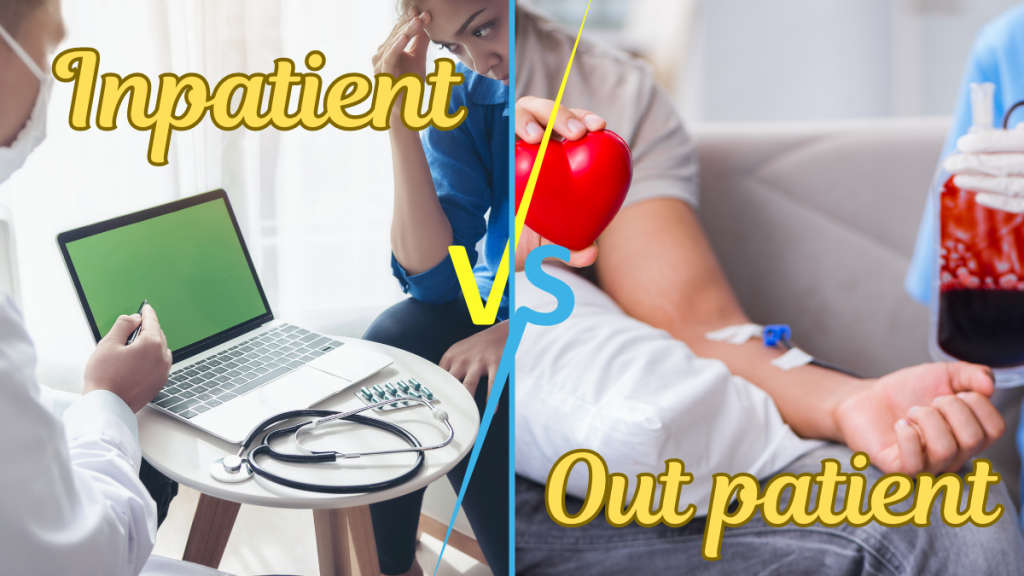
Inpatient vs. Outpatient Recovery: Choosing the Right Path for Alcohol and Drug Addiction

Recovering from alcohol and drug addiction is a challenging but life-changing journey. The first step toward lasting sobriety often involves choosing the type of treatment that best fits your needs. At Lenair Alcohol, we offer both inpatient and outpatient recovery programs, each designed to provide the support, structure, and guidance necessary for healing. Understanding the differences between these options can help you make an informed decision and create a recovery plan that maximizes your chances of long-term success.

What Is Inpatient Recovery?

Inpatient recovery, also known as residential treatment, involves living at a treatment facility for a designated period. This immersive environment allows individuals to focus entirely on their recovery without the distractions or triggers of daily life.

Benefits of Inpatient Recovery

  • 24/7 Professional Support: Inpatient programs provide round-the-clock access to medical staff, therapists, and counselors. This ensures safety during withdrawal, immediate emotional support, and prompt intervention in crises.
  • Structured Daily Routine: Clients follow a consistent schedule of therapy sessions, group activities, and holistic practices. This structure helps establish healthy habits and fosters accountability.
  • Comprehensive Care: Inpatient therapy often combines individual counseling, group therapy, family sessions, and holistic treatments such as meditation, mindfulness, and spiritual guidance. This all-encompassing approach addresses the mind, body, and spirit.

Inpatient recovery is particularly beneficial for individuals with severe addictions, co-occurring mental health conditions, or a history of relapse. The controlled environment provides the foundation needed to break destructive patterns and focus fully on healing.

What Is Outpatient Recovery?

Outpatient recovery allows individuals to attend treatment sessions while continuing to live at home. This option provides flexibility for those with work, school, or family responsibilities, while still offering professional guidance and support.

Benefits of Outpatient Recovery

  • Flexible Scheduling: Clients can attend therapy sessions, group meetings, and holistic programs around their daily commitments, making it easier to maintain life responsibilities.
  • Real-World Practice: Outpatient programs allow individuals to apply coping skills and strategies learned in therapy directly to their everyday environment, strengthening their ability to resist triggers.
  • Community Integration: Maintaining contact with family, friends, and work life can reinforce support systems and provide motivation for recovery.

Outpatient recovery is ideal for individuals with mild to moderate addictions, strong support networks, or those transitioning from inpatient care and seeking continued guidance.

Factors to Consider When Choosing Between Inpatient and Outpatient

Severity of Addiction

Severe alcohol or drug dependencies may require inpatient care to ensure safety and intensive support.

Mental Health Needs

Co-occurring disorders such as anxiety, depression, or trauma often benefit from the continuous supervision and therapy options available in inpatient programs.

Support System

A strong, sober support network at home can make outpatient recovery effective. If the home environment is unstable or triggering, inpatient care may be a safer choice.

Lifestyle and Responsibilities

Outpatient programs offer the flexibility to maintain work, school, and family obligations, while inpatient programs provide a focused, immersive recovery experience.

Integrating Holistic and Faith-Based Care

At Lenair Alcohol, both inpatient and outpatient programs incorporate holistic and faith-based practices. Meditation, mindfulness, nutritional guidance, and spiritual counseling are combined with evidence-based therapy to support the whole person. This approach strengthens emotional resilience, improves physical health, and fosters spiritual growth, creating a foundation for long-term sobriety.

Making the Right Choice

Choosing the right type of recovery program is a critical step in your journey toward sobriety. Lenair Alcohol’s compassionate team works with each individual to evaluate their needs, goals, and circumstances, creating a customized plan that maximizes the chances of success.

Whether inpatient or outpatient recovery is the right fit, what matters most is that you take action and commit to your healing. If you or a loved one is ready to begin the journey to lasting sobriety, contact Lenair Alcohol today. Our professional, client-centered care will guide you toward freedom, renewal, and a healthier, more fulfilling life.

From Addiction to Renewal: The Role of Holistic Approaches in Long-Term Sobriety

Recovery from alcohol and drug addiction is more than stopping substance use. True sobriety requires healing the mind, body, and spirit. At Lenair Alcohol, we recognize that lasting recovery comes from addressing every dimension of a person’s well-being. Holistic approaches complement traditional therapy and medical treatment, offering a complete path to renewal that supports long-term sobriety and overall life balance.

Understanding Holistic Recovery

Holistic recovery views addiction as a complex interplay between physical health, emotional well-being, and spiritual fulfillment. Traditional treatments like detoxification and counseling address the immediate symptoms of addiction. However, without supporting mental, emotional, and spiritual health, individuals may struggle to maintain sobriety. Holistic approaches integrate multiple facets of care, ensuring clients not only overcome addiction but also thrive in recovery.

How Holistic Approaches Support Long-Term Sobriety

Mind-Body Healing

Addiction can take a heavy toll on both the body and the mind. Holistic programs at Lenair Alcohol incorporate practices such as mindfulness, meditation, yoga, and physical wellness activities. These practices reduce stress, improve focus, and strengthen the connection between mental and physical health. By learning to care for the body and mind simultaneously, clients build resilience against triggers and cravings.

Emotional and Mental Health Support

Substance use often masks unresolved emotional pain or mental health conditions. Holistic recovery includes personalized therapy sessions, group counseling, and trauma-informed care. These interventions help clients process emotions, manage anxiety or depression, and develop healthier coping strategies. Addressing mental health alongside addiction treatment creates a stronger foundation for long-term sobriety.

Spiritual Growth and Faith-Based Guidance

For many individuals, faith and spirituality provide a source of comfort, strength, and purpose during recovery. Holistic programs may incorporate spiritual counseling, guided reflection, and faith-based practices. These elements help clients reconnect with their values, discover meaning beyond addiction, and cultivate inner peace, all of which are essential for maintaining long-term recovery.

Nutrition and Lifestyle Integration

Addiction often disrupts proper nutrition and healthy lifestyle habits. Holistic recovery programs provide guidance on diet, exercise, and sleep routines. Proper nutrition and physical wellness support overall health, enhance energy levels, and improve mental clarity. These elements work in tandem with therapy and counseling to reinforce sobriety.

Inpatient and Outpatient Holistic Care

Holistic recovery is adaptable to both inpatient and outpatient settings.

  • Inpatient programs provide a structured environment for intensive care, allowing clients to immerse themselves fully in therapy and holistic practices.
  • Outpatient programs offer flexibility for those balancing work, school, or family responsibilities while continuing their recovery journey with professional guidance.

Lenair Alcohol customizes care plans to ensure that each client receives a combination of therapy, holistic interventions, and individualized support that aligns with their needs and goals.

The Benefits of a Holistic Approach

Holistic approaches to addiction recovery help clients:

  • Reduce stress and improve emotional regulation
  • Strengthen mental and physical resilience
  • Foster spiritual growth and purpose
  • Build sustainable healthy lifestyle habits
  • Maintain long-term sobriety with greater confidence and balance

Moving From Addiction to Renewal

Recovery is not simply the absence of alcohol or drugs; it is the presence of health, purpose, and emotional stability. Holistic approaches create a comprehensive framework that supports this transformation. By addressing the whole person—mind, body, and spirit—individuals can move beyond addiction and embrace a renewed sense of life, hope, and possibility.

If you or a loved one is ready to explore holistic recovery and begin the journey to lasting sobriety, contact Lenair Alcohol today. Our compassionate team of professionals provides personalized care, evidence-based therapy, and holistic guidance to help you break free from addiction and build a healthier, more fulfilling life.

Breaking Free: How Personalized Therapy Accelerates Alcohol and Drug Recovery

Recovery from alcohol and drug addiction is a deeply personal journey. No two individuals experience addiction in the same way, which means the path to lasting sobriety must be equally unique. At Lenair Alcohol, we understand that personalized therapy is the key to unlocking effective, long-term recovery. By tailoring treatment to each individual’s specific needs, challenges, and goals, clients gain the tools and support necessary to break free from addiction and rebuild their lives with confidence and purpose.

Why Personalized Therapy Matters in Recovery

Addiction is rarely isolated to substance use alone. It often intertwines with mental health challenges, unresolved trauma, stress, and unhealthy coping mechanisms. Standardized treatment programs may overlook these critical factors, leaving individuals vulnerable to relapse. Personalized therapy, on the other hand, identifies and addresses the root causes of addiction.

Through one-on-one counseling, licensed therapists assess each client’s history, emotional triggers, and mental health needs. This allows for a treatment plan that combines therapy modalities, coping strategies, and support systems best suited for the individual. Personalized therapy ensures that recovery is not just about abstinence but about holistic healing that transforms every area of life.

Components of Personalized Therapy

Individual Counseling

Individual therapy is the cornerstone of personalized addiction treatment. Sessions provide a safe and confidential environment where clients can explore their thoughts, emotions, and experiences. Therapists use evidence-based approaches such as Cognitive Behavioral Therapy (CBT), Dialectical Behavior Therapy (DBT), and trauma-informed care to help clients develop emotional resilience, recognize triggers, and replace harmful behaviors with healthy coping strategies.

Group Therapy and Peer Support

While individual therapy focuses on personal growth, group therapy offers connection and shared experience. Clients engage with peers facing similar challenges, learning valuable insights and encouragement from others’ journeys. This sense of community helps reduce isolation and builds accountability, which is vital for maintaining long-term sobriety.

Family Therapy

Addiction impacts not only the individual but also their family and loved ones. Family therapy restores communication, rebuilds trust, and creates a supportive home environment. Personalized therapy plans often include family sessions to ensure that recovery extends beyond the individual and fosters healthier relationships.

Holistic and Faith-Based Approaches

At Lenair Alcohol, personalized therapy is complemented by holistic and faith-based practices. Mindfulness, meditation, nutritional guidance, and spiritual counseling work together to support the mind, body, and spirit. These practices enhance emotional stability, reduce stress, and strengthen overall well-being, making recovery more sustainable.

Inpatient vs. Outpatient Personalized Care

Whether through inpatient or outpatient programs, personalized therapy adapts to each stage of recovery.

  • Inpatient care provides a structured and immersive environment, ideal for those needing intensive supervision and focused support.
  • Outpatient care offers flexibility for individuals balancing work, school, or family responsibilities, while still receiving ongoing therapeutic guidance.

Lenair Alcohol ensures that every client’s therapy plan matches their needs and lifestyle, creating an effective path to lasting sobriety.

The Benefits of Personalized Therapy

Personalized therapy accelerates recovery by addressing both the physical and emotional aspects of addiction. Clients gain self-awareness, emotional resilience, and practical tools to manage triggers and stress. The individualized approach reduces the risk of relapse and empowers clients to build a meaningful life free from addiction.

Taking the First Step

Breaking free from alcohol and drug addiction requires support, understanding, and a treatment plan designed specifically for you. Lenair Alcohol offers personalized therapy that combines professional expertise, holistic care, and faith-based guidance to help clients achieve lasting recovery.

If you or a loved one is ready to take the next step toward sobriety, reach out to Lenair Alcohol today. Our compassionate team is here to guide you through every stage of recovery, helping you reclaim your life, restore your health, and rediscover hope.

Holistic Healing: Combining Therapy and Treatment for Complete Addiction Recovery

Recovery from addiction is not only about ending substance use. It is about healing the entire person—mind, body, and spirit. At Lenair Alcohol, we believe that true and lasting recovery happens when every part of a person’s well-being is addressed. This is why our approach combines professional therapy with holistic treatment methods, offering a comprehensive path toward freedom, balance, and renewed purpose.

The Power of a Holistic Approach

Addiction affects more than physical health. It impacts emotions, relationships, and spiritual peace. Traditional treatment programs often focus primarily on the physical aspects of recovery, such as detox and medical stabilization. While these are essential first steps, they are only part of the process.

Holistic healing takes recovery further by addressing emotional pain, mental health, and the deep-rooted issues that fuel addiction. By combining evidence-based therapy with holistic care, individuals can achieve a more complete and sustainable recovery.

How Therapy Supports Addiction Recovery

Therapy is the cornerstone of any effective recovery program. It provides a safe, confidential space to explore the experiences, emotions, and challenges that contribute to addiction.

Individual Therapy

In one-on-one counseling sessions, clients work closely with licensed therapists to understand their triggers, manage cravings, and develop healthy coping strategies. Techniques such as Cognitive Behavioral Therapy (CBT), Dialectical Behavior Therapy (DBT), and trauma-informed care help individuals build emotional resilience and strengthen self-awareness.

Group and Family Therapy

Recovery thrives in connection. Group therapy offers a supportive community where individuals can share experiences, gain encouragement, and learn from others on similar journeys. Family therapy helps rebuild trust and strengthen communication, allowing loved ones to heal together and create a more supportive environment for lasting sobriety.

Integrating Holistic Practices for Mind, Body, and Spirit

At Lenair Alcohol, therapy is paired with holistic practices that nurture every part of the individual. This integration helps clients find balance and promotes healing that extends beyond addiction.

Mindfulness and Meditation

Mindfulness practices help individuals stay grounded and present during recovery. Techniques such as deep breathing and guided meditation reduce stress, improve focus, and encourage self-compassion. Over time, mindfulness becomes a powerful tool for maintaining emotional balance and preventing relapse.

Nutrition and Physical Wellness

Addiction can take a toll on the body, depleting essential nutrients and weakening physical health. Nutritional guidance, exercise, and restorative wellness activities help clients rebuild strength, increase energy, and restore overall vitality.

Faith-Based and Spiritual Support

For many people, faith is a source of strength and guidance during recovery. Spiritual counseling and faith-based programs help clients reconnect with their values, cultivate hope, and find purpose beyond addiction. At Lenair Alcohol, we honor every individual’s beliefs and create space for spiritual healing as part of the recovery process.

Inpatient and Outpatient Care: Personalized for Every Journey

Every recovery journey is unique. Some individuals benefit most from the structured environment of inpatient care, where they can fully focus on healing without outside distractions. Others may thrive in outpatient therapy, which allows them to maintain work or family responsibilities while continuing treatment.

At Lenair Alcohol, our team works with each client to create a customized care plan that fits their personal needs and goals. Whether inpatient or outpatient, every client receives compassionate, evidence-based, and holistic support.

Why a Combined Approach Leads to Lasting Recovery

When therapy and holistic treatment are combined, recovery becomes more sustainable. Addressing the physical, mental, and spiritual aspects of addiction helps prevent relapse and promotes long-term well-being. Clients learn not only how to live without substances but also how to live with confidence, clarity, and joy.

Holistic healing is about more than treatment. It is about transformation. It helps individuals rediscover who they are, rebuild self-worth, and find peace in sobriety.

A Compassionate Path Toward Wholeness

Addiction recovery is not a one-size-fits-all journey. It requires compassion, understanding, and a comprehensive approach that treats the whole person. At Lenair Alcohol, our team of caring professionals is dedicated to helping each client find lasting freedom through therapy, holistic care, and spiritual renewal.

If you or someone you love is ready to begin the journey to complete healing, reach out to Lenair Alcohol today. Together, we can help you restore balance, rebuild hope, and rediscover the life you were meant to live.